
Professionalism, expertise, and high end detailing
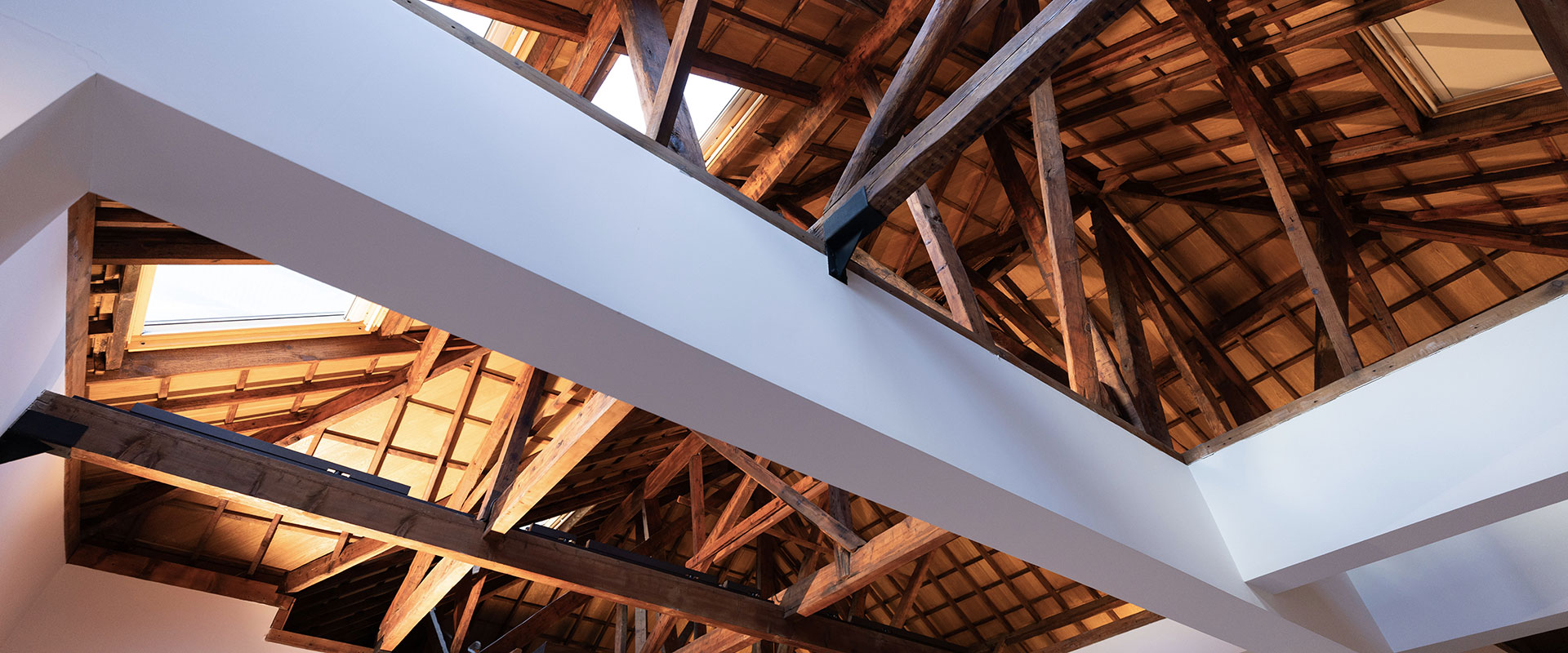
Professionalism, Expertise and High-End Detailing in Custom Woodwork
High-end custom woodwork is about much more than choosing an attractive wood finish. The quality of a finished interior is often determined by details that are easy to overlook: how two surfaces meet, how the grain continues across panels, how doors align, how hardware is integrated, how edges are finished and how individual pieces relate to the architecture around them.
Professionalism, expertise and attention to detail therefore play an important role in creating woodwork that feels considered rather than simply manufactured. Whether the project involves a kitchen, wardrobe, door, staircase, wall cladding, furniture or a larger architectural interior, the smallest decisions can have a significant impact on the final result.
For clients, architects and interior designers, understanding these principles can make it easier to evaluate a custom woodwork project and make informed decisions before fabrication begins.
What Defines High-End Custom Woodwork?
High-end custom woodwork begins with a clear understanding of the project. Unlike standard furniture or off-the-shelf cabinetry, bespoke woodwork needs to respond to a particular space, its dimensions, its architectural character and its intended use.
This means that the work is not simply about producing individual wooden elements. The different components need to work together as part of a larger interior.
Depending on the project, custom woodwork may include kitchens, wardrobes, closets, doors, wall cladding, stairs, wall and ceiling applications, bathroom cabinetry and furniture. AtalaG's portfolio reflects this broad relationship between woodwork and architecture, with these categories represented across its work. :contentReference[oaicite:1]{index=1}
The difference between ordinary and highly refined woodwork is often visible in the relationship between these elements. Proportions, junctions, material transitions, grain direction, hardware and finishing all contribute to the final appearance.
The Importance of Professionalism in Woodwork Projects
Professionalism begins long before the first piece of wood is cut. A successful custom woodwork project requires clear communication, organized decision-making and attention to the details that influence fabrication and installation.
For a client or designer, professionalism can be seen in the way a project is approached. Drawings, dimensions, material selections, finishes, hardware and functional requirements all need to be understood before fabrication begins.
A professional approach also means recognizing potential problems before they become expensive corrections. A small dimensional conflict between cabinetry and architecture, for example, can affect the appearance and functionality of the finished installation.
Good communication between the people involved in a project helps reduce these risks. Architects, interior designers, contractors, craftsmen and clients often have different responsibilities, and custom woodwork needs to connect these different requirements.
Professionalism includes attention to:
- Clear understanding of project requirements
- Accurate dimensions and proportions
- Material and finish coordination
- Functional requirements
- Hardware and opening mechanisms
- Communication between design and fabrication
- Careful installation and final detailing
These aspects may not always be visible individually, but together they contribute to the quality and consistency of the finished interior.
The Role of Expertise in Custom Woodwork
Expertise is developed through an understanding of materials, fabrication techniques, construction methods and the practical behavior of wood and wood-based products.
Different materials have different characteristics. Solid hardwood, veneer, MDF and plywood can each produce different visual and technical results. The appropriate choice depends on the design, application, dimensions, finish and expected use of the element.
AtalaG's current product range illustrates this variety, including American walnut, French oak, American oak, beech, plywood, MDF and veneered MDF across furniture, kitchens, wardrobes and other products. :contentReference[oaicite:2]{index=2}
Expertise also becomes important when several materials need to work together. A piece of furniture might combine wood with metal, marble, glass or another material. The junction between these materials needs to be considered as carefully as the individual materials themselves.
The same principle applies to architectural woodwork. A staircase, wall cladding system or built-in cabinet is not an isolated object. It becomes part of the surrounding architecture, which means its dimensions, proportions and detailing need to respond to the space.
Why High-End Detailing Makes a Difference
Detailing is where a custom woodwork project can move from functional to refined.
A high-end result is rarely created by one dramatic feature. Instead, it usually comes from many small decisions working together.
Consider a cabinet door. Its overall appearance can be influenced by the thickness of the door, the edge treatment, the direction of the grain, the spacing between neighboring doors, the handle or opening mechanism and the way the cabinet meets the surrounding wall.
When these details are carefully coordinated, the result can appear simple. That simplicity is often the result of careful planning rather than a lack of complexity.

Grain alignment
Natural wood grain can become an important visual element in a project. On larger surfaces, the direction and continuity of the grain can influence how the entire installation is perceived.
Careful planning of panels and doors can create a more coherent appearance, particularly when several adjacent components form one visual composition.
Joints and transitions
Transitions between surfaces deserve particular attention. Corners, junctions, changes in material and connections between different components can become highly visible in a finished interior.
Refined detailing aims to make these transitions intentional rather than accidental.
Edges and proportions
Edges can dramatically influence how a wooden element feels. A sharp contemporary edge, a softer profile or a carefully integrated lipping can produce very different results.
Proportion is equally important. The thickness of a panel, the size of a handle, the spacing between doors and the relationship between furniture and surrounding architecture all contribute to the visual balance of a space.
From Individual Furniture to Complete Interiors
Custom woodwork becomes particularly interesting when individual pieces are considered as part of a larger interior.
A kitchen, for example, needs to function as a workspace while also contributing to the character of the room. Cabinet proportions, finishes, handles, work surfaces and storage systems need to work together.
The same principle applies to wardrobes and closets. The external appearance is important, but internal organization and practical access are equally relevant.
Doors can become architectural elements rather than simple functional openings. Wall cladding can create continuity across a room. Staircases can combine structure, circulation and material expression.
AtalaG's website presents portfolio categories including kitchens, doors, bathrooms, stairs, wall and ceiling applications, wardrobes, closets and wall cladding, demonstrating how woodwork can extend across different parts of an interior. :contentReference[oaicite:3]{index=3}

Material Selection and the Importance of Finishes
Material selection is one of the first decisions that influences the character of woodwork.
Natural hardwoods can provide distinctive grain patterns and a strong material presence. Veneers can provide the appearance of natural wood while allowing designers to work with engineered substrates. MDF and plywood can offer different construction possibilities depending on the application.
The finish then becomes another important layer. A transparent finish can emphasize natural grain, while a painted finish creates a different visual language. Combining finishes can also create contrast between different components.
AtalaG's product range includes examples of natural hardwood, veneer, painted MDF and plywood applications, as well as combinations of wood with materials such as marble, metal, stainless steel and rattan. :contentReference[oaicite:4]{index=4}
The correct approach is therefore not simply to select the most expensive material. The more important question is whether the material and finish are appropriate for the design, function and environment.
Precision in Furniture Design
Furniture provides another clear example of why expertise and detailing matter.
A table, dresser, desk or cabinet may appear relatively simple, but its construction involves many decisions. The dimensions need to be comfortable, the structure needs to be appropriate for its use, and the visible elements need to be carefully proportioned.
Details such as joinery, hardware, drawer operation, edge profiles and surface finishing all contribute to the experience of the finished piece.
AtalaG's online collection includes handmade dining tables, desks, coffee tables, dressers, chairs, consoles, bedside tables and other furniture pieces in materials including American walnut, French oak, beech and other wood-based materials. :contentReference[oaicite:5]{index=5}

Architectural Woodwork Requires a Different Level of Coordination
Architectural woodwork often involves larger elements that interact directly with the building.
Wall cladding, ceilings, doors, staircases, wardrobes and built-in cabinetry need to respond to architectural dimensions and surrounding finishes. A small inconsistency can become noticeable when an element extends across a large surface.
This is why coordination is particularly important for architectural woodwork. The woodwork needs to fit the physical space while also supporting the visual language of the interior.
When the detailing is successful, the result can feel integrated rather than added onto the architecture.

Common Mistakes to Avoid in High-End Woodwork
Even a strong design can lose impact when important practical details are overlooked.
- Choosing materials based only on appearance: The material should also suit the intended use and environment.
- Ignoring proportions: Individual elements should relate to the dimensions of the room and surrounding architecture.
- Leaving detailing until the end: Handles, joints, edges and transitions should be considered during the design process.
- Underestimating installation: A well-fabricated component still needs to be correctly positioned and integrated into the space.
- Treating each element independently: Kitchens, doors, furniture, wall cladding and other woodwork can have a stronger visual relationship when considered as part of the overall interior.
Where Professionalism, Expertise and Detailing Come Together
The strongest custom woodwork projects bring these three qualities together.
Professionalism creates an organized process and clear communication.
Expertise brings knowledge of materials, construction, fabrication and practical requirements.
High-end detailing ensures that the smaller elements receive the attention they need to create a refined final result.
None of these qualities exists independently. A beautiful material cannot compensate for poor detailing, and excellent craftsmanship cannot fully resolve a project that was not properly coordinated from the beginning.
The objective is to create a relationship between design, material, fabrication and architecture where each decision supports the next.
How Atalag Can Help
AtalaG approaches woodwork from the perspective that craftsmanship can work together with innovative methods, ideas and products. The company describes its work as being developed in collaboration with leading architects and designers. :contentReference[oaicite:6]{index=6}
Its portfolio covers a range of architectural and interior woodwork applications, including kitchens, doors, bathrooms, stairs, wall and ceiling applications, wardrobes, closets and wall cladding. :contentReference[oaicite:7]{index=7}
AtalaG also offers a collection of furniture and wood products, including tables, desks, TV units, kitchens, wardrobes, dressers, chairs, bars, consoles, stools and other pieces. The collection includes different approaches to hardwood, veneer, MDF and plywood construction. :contentReference[oaicite:8]{index=8}
For projects where woodwork needs to respond closely to an interior or architectural concept, this combination of craftsmanship, product development and collaboration with designers provides a way to approach woodwork as an integrated part of the overall space.
Frequently Asked Questions
What is high-end custom woodwork?
High-end custom woodwork refers to woodwork designed and produced for a specific space or requirement, with particular attention to materials, proportions, construction, finishing, functionality and detailing.
Why is detailing important in custom woodwork?
Detailing affects how individual components meet, align and function. Grain direction, edges, joints, hardware, proportions and transitions can significantly influence the appearance and usability of the finished work.
What materials can be used for custom woodwork?
Depending on the application, custom woodwork can use solid hardwood, veneer, MDF, plywood and other materials. AtalaG's current collection includes examples using American walnut, French oak, American oak, beech, plywood and MDF. :contentReference[oaicite:9]{index=9}
What types of architectural woodwork can be customized?
Architectural woodwork can include kitchens, doors, stairs, wardrobes, closets, wall cladding, wall and ceiling applications and other built-in elements. The appropriate solution depends on the space, design and intended function.
Is custom furniture different from standard furniture?
Custom furniture can be developed around specific dimensions, materials, functions and design requirements. This allows the piece to respond more closely to a particular interior instead of being limited to standard sizes or configurations.
How should I approach a high-end woodwork project?
Start with a clear understanding of the space, intended use, design direction, materials and functional requirements. Early coordination between the client, designer, architect and woodwork specialist can help ensure that important details are considered before fabrication.
Conclusion
Professionalism, expertise and high-end detailing are not separate qualities in custom woodwork. They work together throughout the process, from understanding the design and selecting appropriate materials to fabrication, finishing and installation.
The most refined interiors are often defined by details that initially seem small: a precise junction, an aligned grain, a carefully proportioned door, a clean transition or a thoughtfully integrated piece of furniture.
For anyone planning a custom woodwork or interior project, paying attention to these details from the beginning can make a meaningful difference to the final space.
AtalaG combines craftsmanship with innovative approaches to woodwork, products and collaboration with architects and designers. For a project where woodwork is an important part of the interior, exploring the possibilities early can help turn a design concept into a carefully considered finished space.